

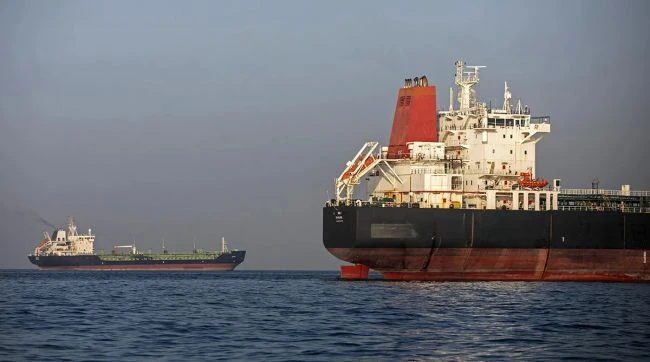
The US is considering moves to ease restrictions on “shadow fleet” tankers linked to Russia and Iran as it struggles to bring down soaring diesel prices ahead of November’s midterm elections, FT reports.
The moves include potentially allowing the sale of blacklisted vessels to legitimate operators and lifting sanctions that would allow them to operate without restriction, people familiar with the matter told the FT.
The controversial move to lift sanctions on the vessels, designed to increase shipping capacity for oil and refined fuels and lower record-high freight rates that are adding to soaring fuel costs, was raised earlier this week by Chris Wright, US energy secretary, at the World Petroleum Conference in Riyadh, Saudi Arabia.
A Treasury department official said the Office of Foreign Assets Control may consider authorising the sale of shadow fleet vessels to “legitimate buyers” and allowing them to operate in the global market “on a case-by-case basis”.
It marks the latest effort by Donald Trump’s administration to douse fuel prices before the midterm vote, which will decide control of Congress. Polls suggest elevated inflation triggered by the Iran war has turned many voters against Trump’s Republican Party.
It also marks an abrupt turn in US policy more favourable to Moscow as it seeks to unfreeze sovereign assets and apparently throttled Ukraine’s access to Starlink satellites crucial to its defence in the war with Russia. Last week, Trump said he would temporarily lift sanctions on Russian diesel fuel, which provoked criticism from European allies and a bipartisan group of US senators who called it a “gift to our adversary and a betrayal of our allies”.
Wright told the forum in Riyadh via video link on Monday that a shortage of tankers is a crucial choke point that is pushing up freight prices on global markets and removing sanctions from vessels could provide some relief, said three people present at the event.
“The administration is looking under every rock it can to try to force down fuel prices ahead of the elections, even if these policies would only have a marginal effect,” said Bob McNally, a former energy adviser to George W Bush and president of Rapidan Energy, who attended the event.