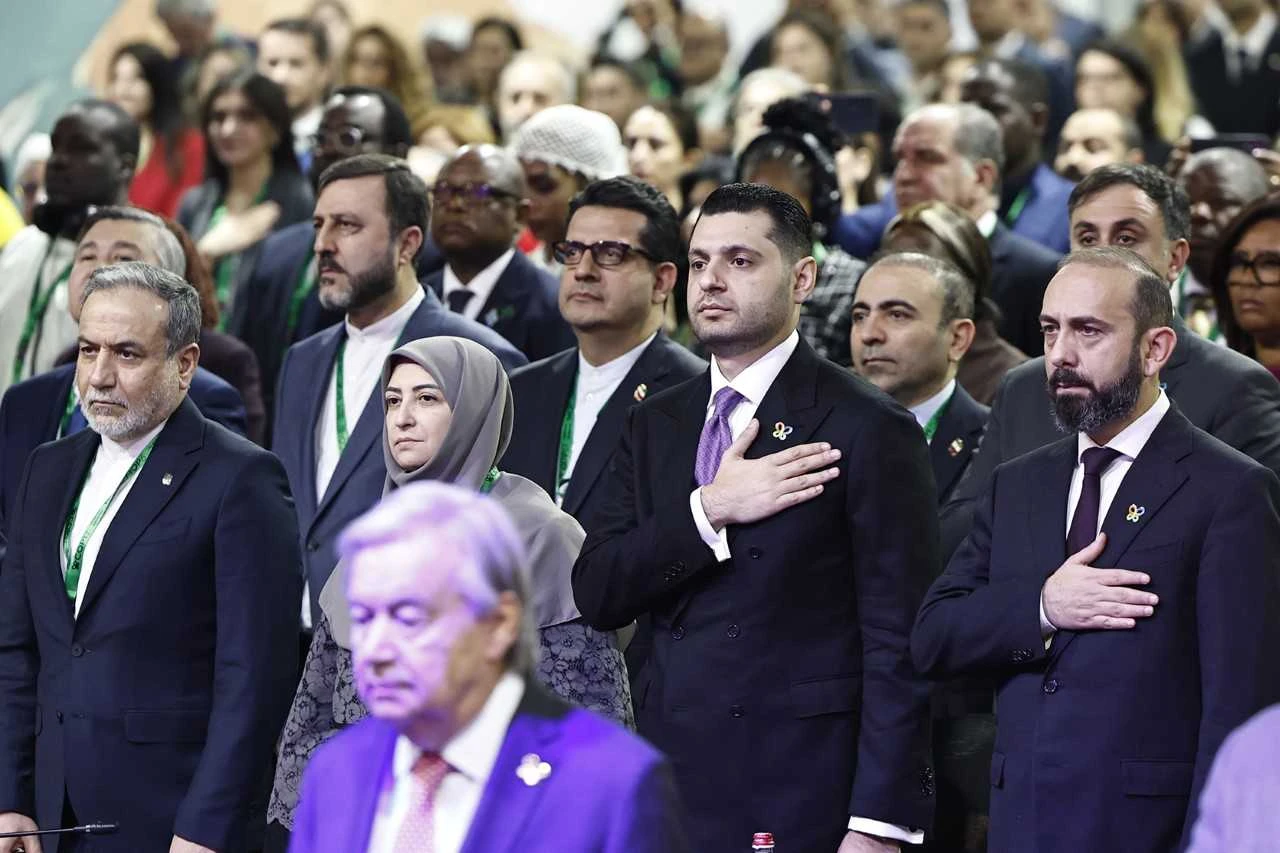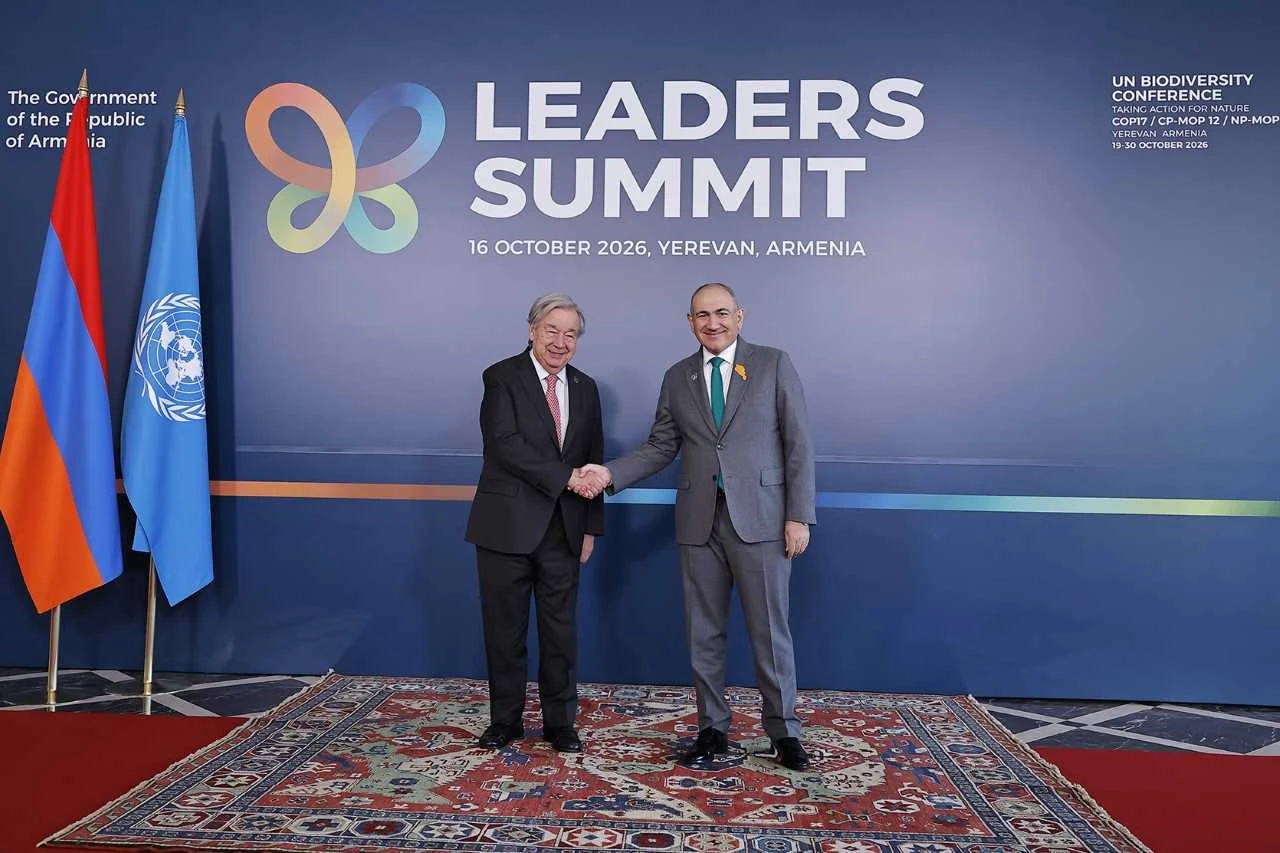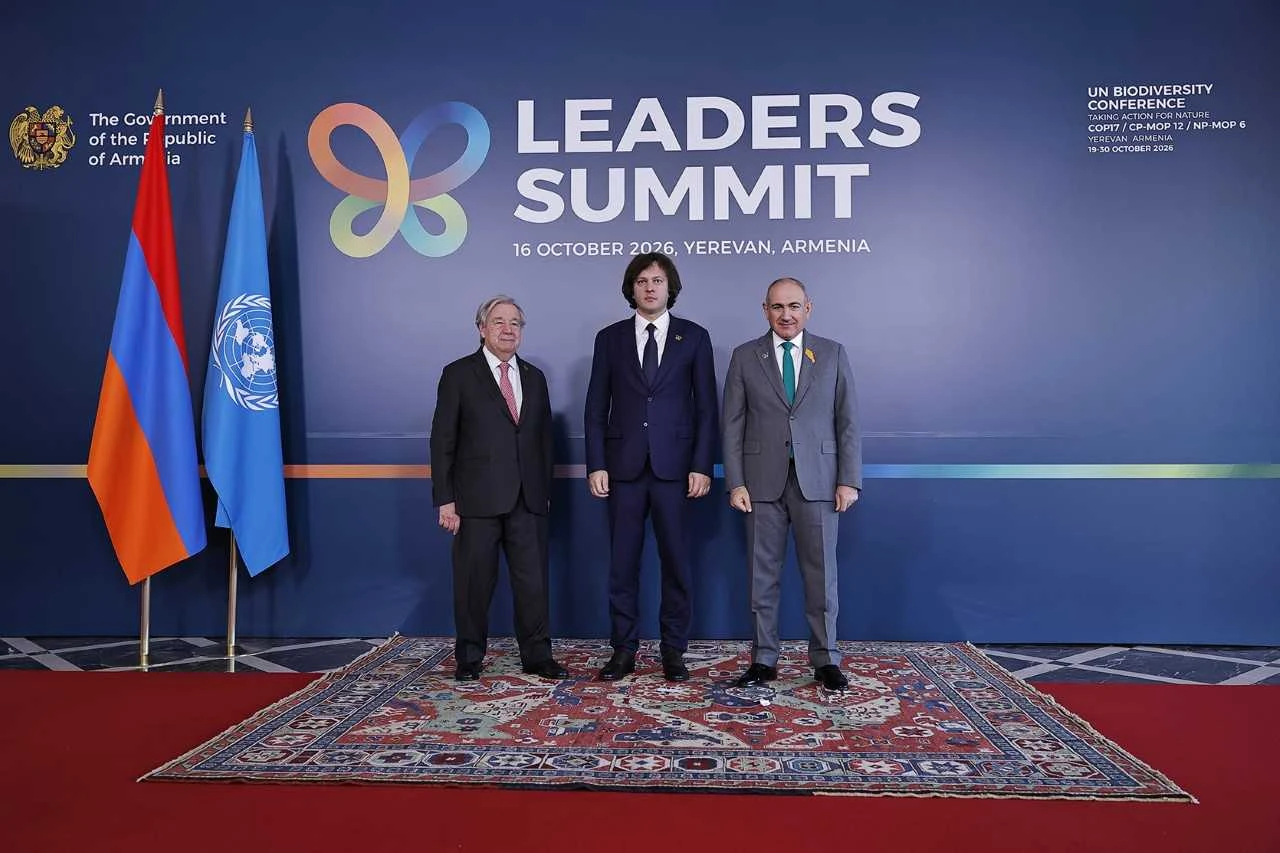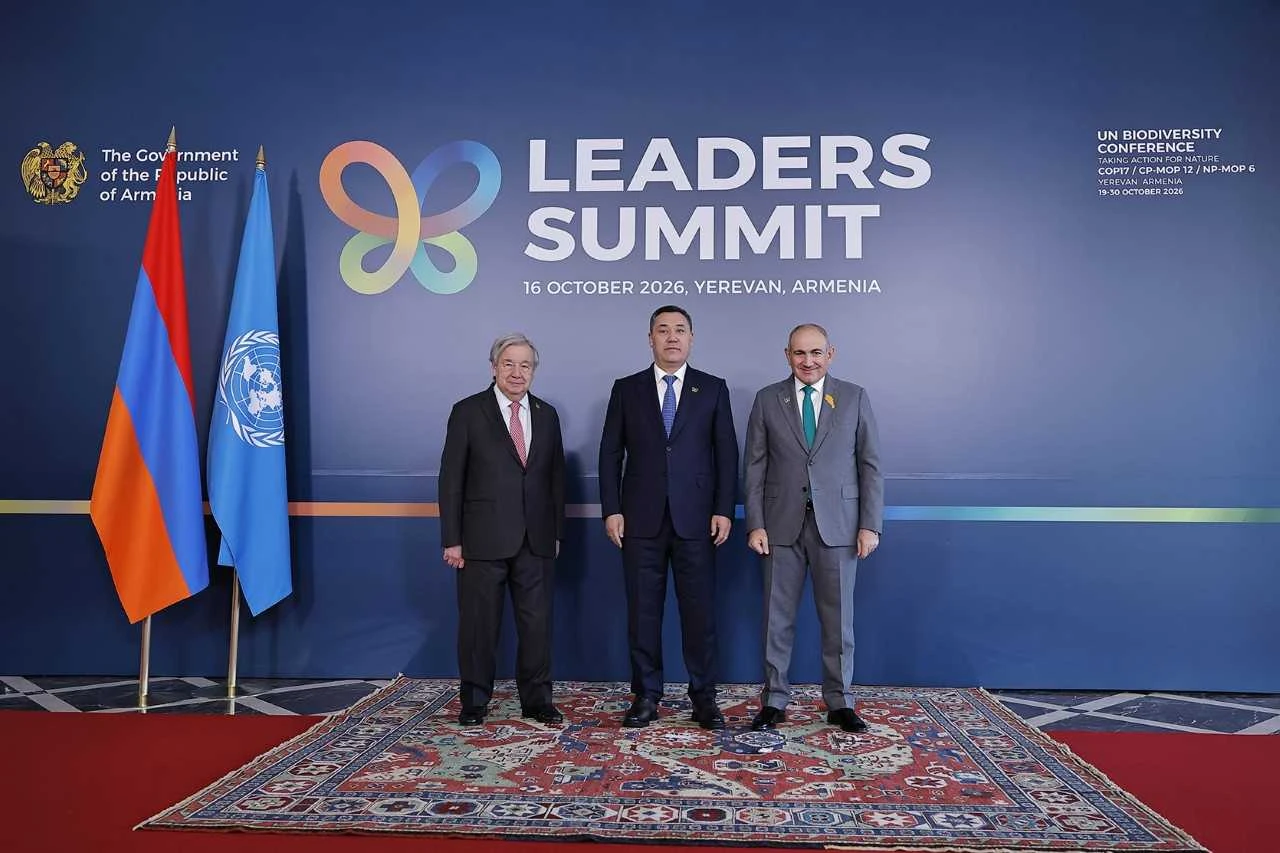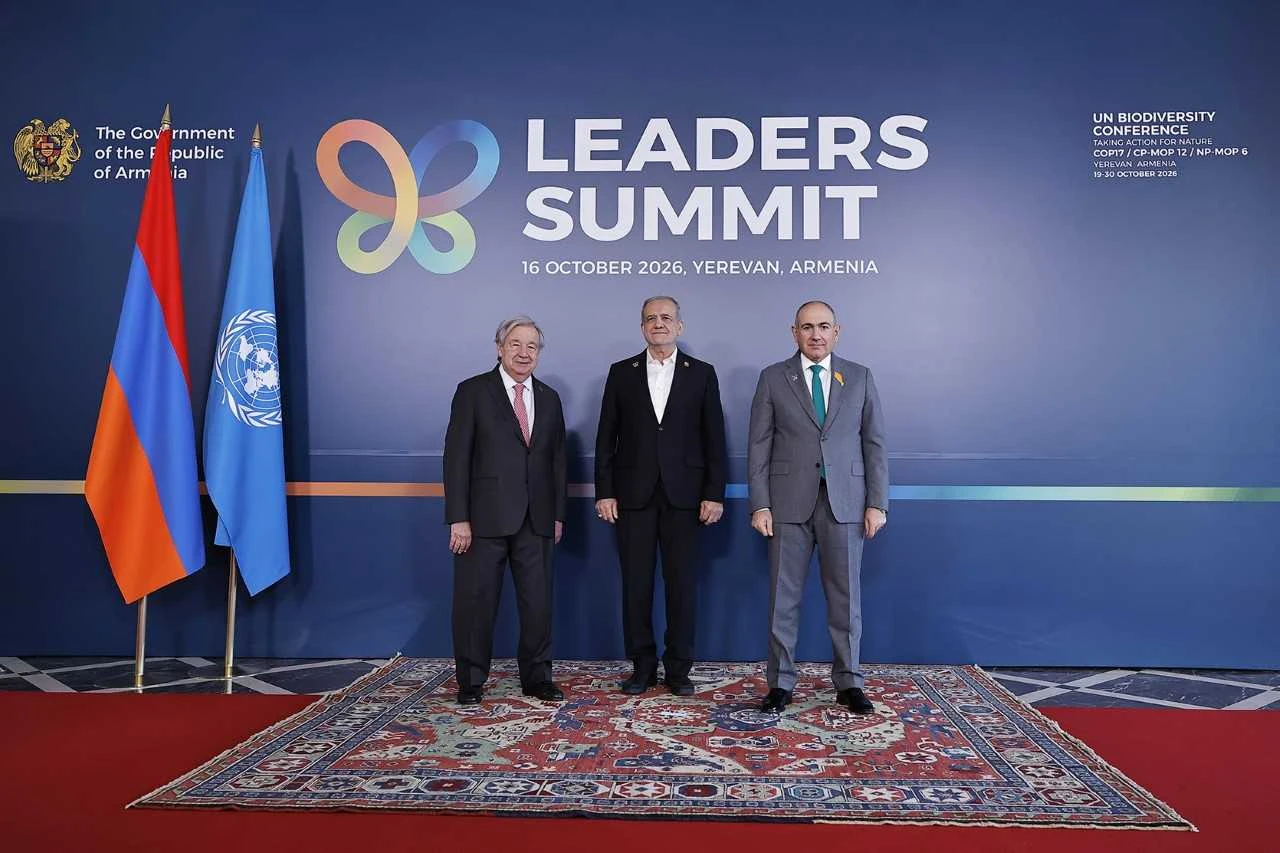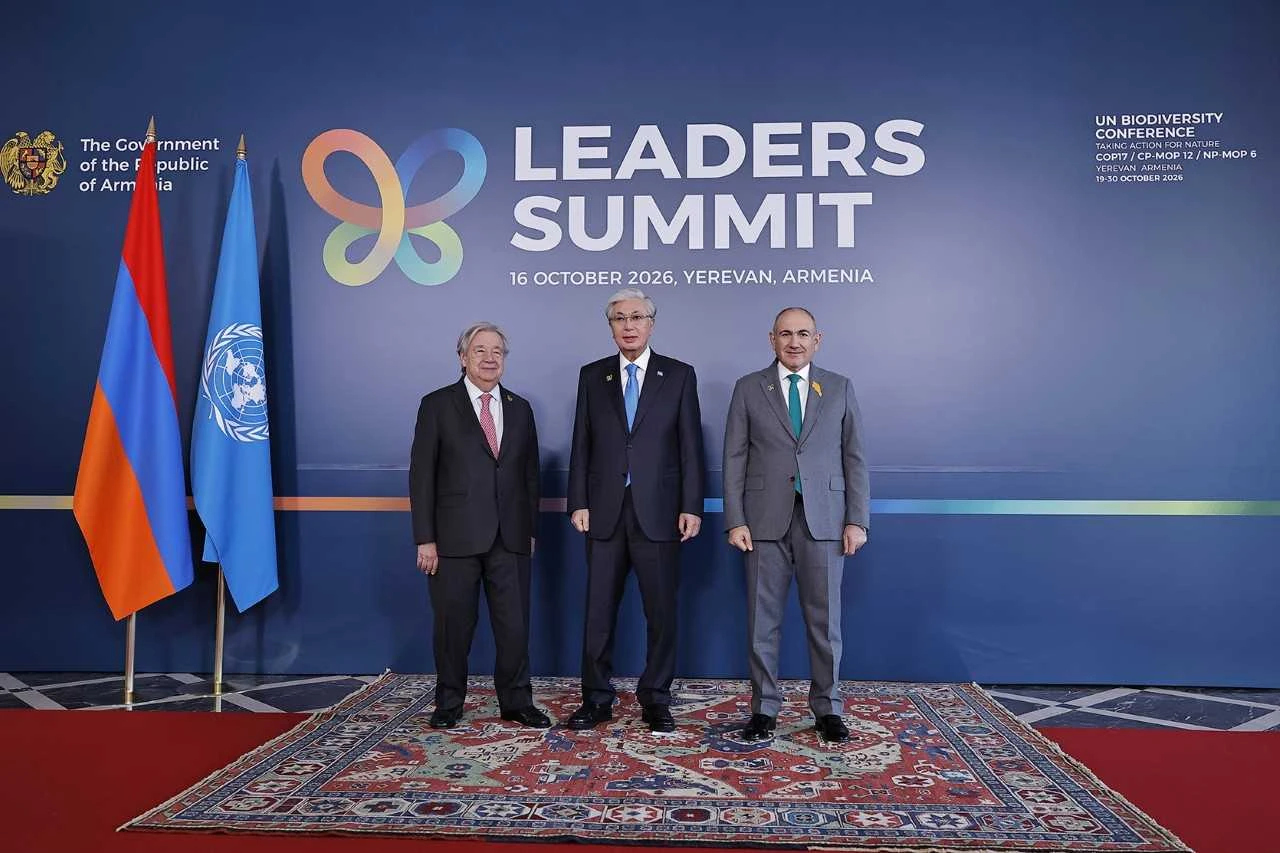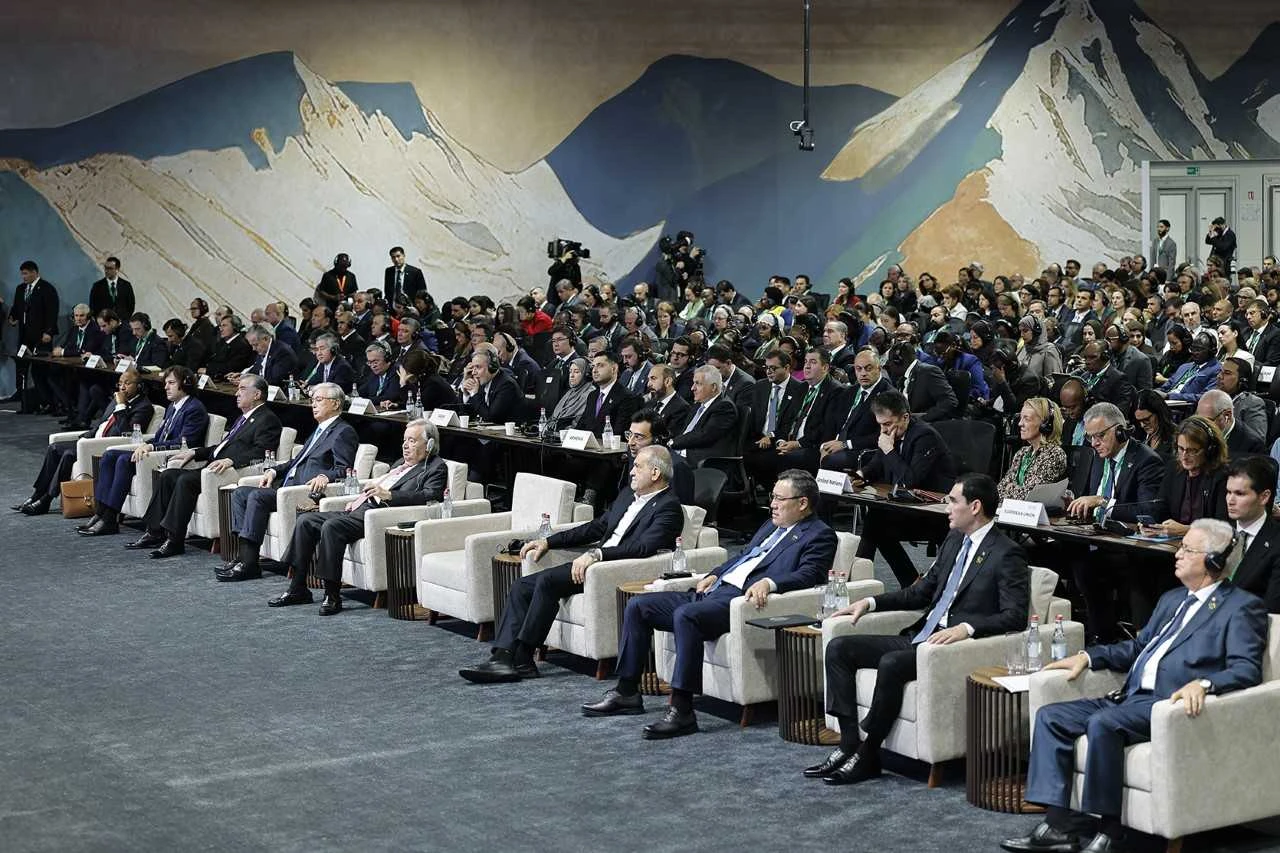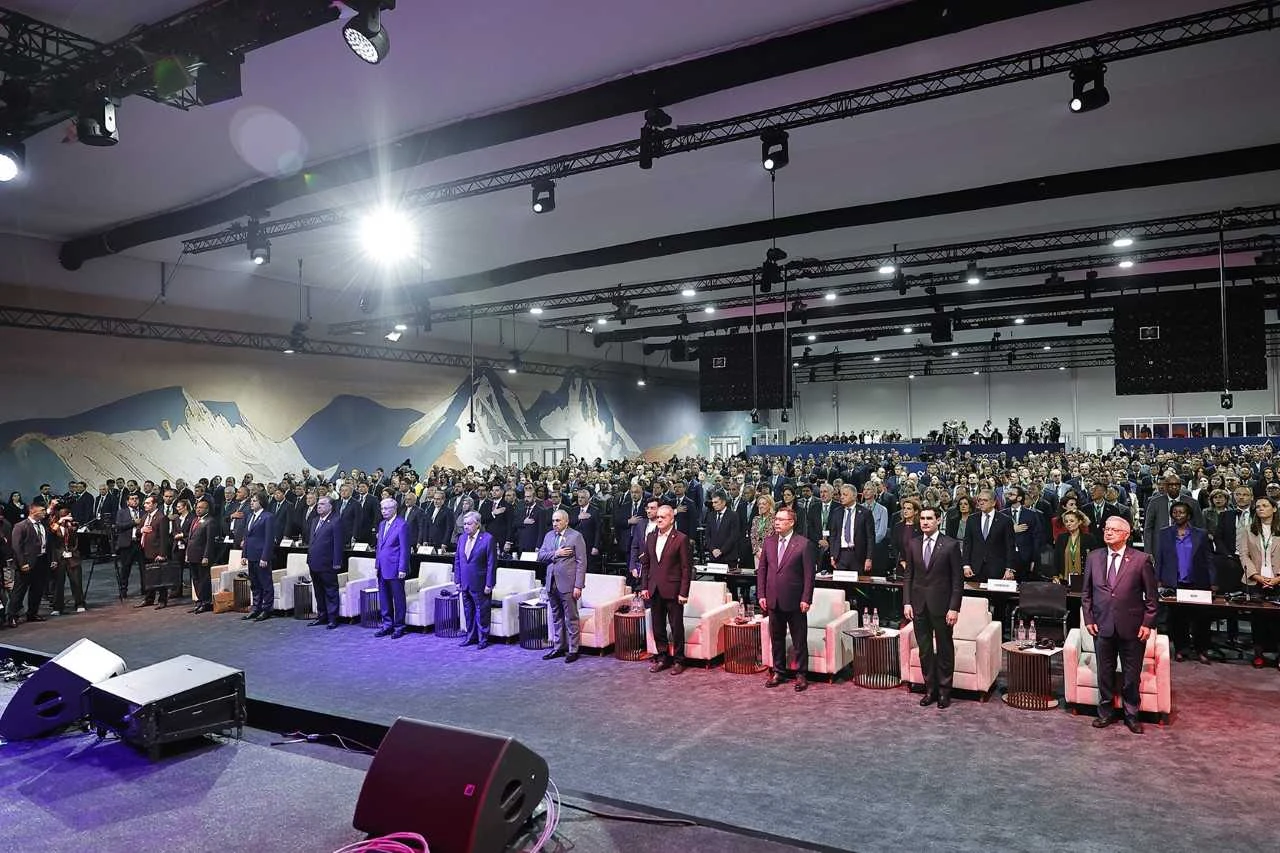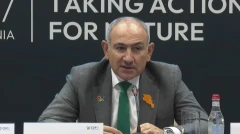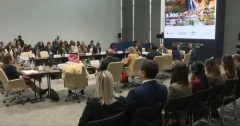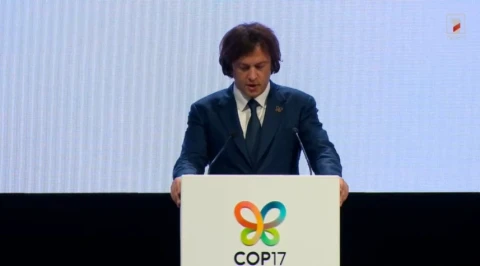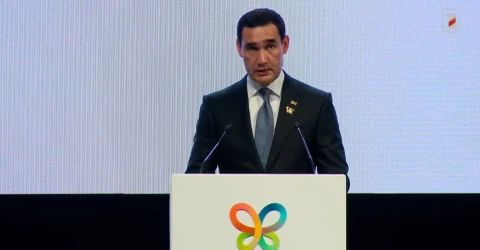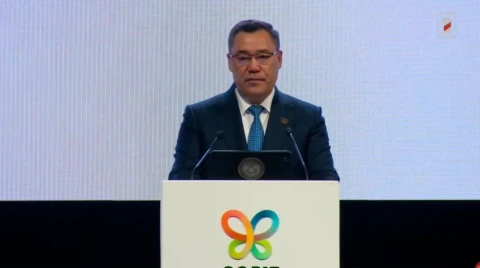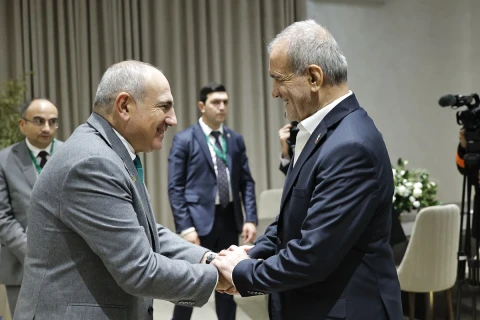



The opening ceremony of the plenary session of the "Leaders for Nature" summit, held within the framework of the 17th Conference of the Parties to the Convention on Biological Diversity (COP17), took place at the "Meridian" Exhibition and Event Center in Yerevan.
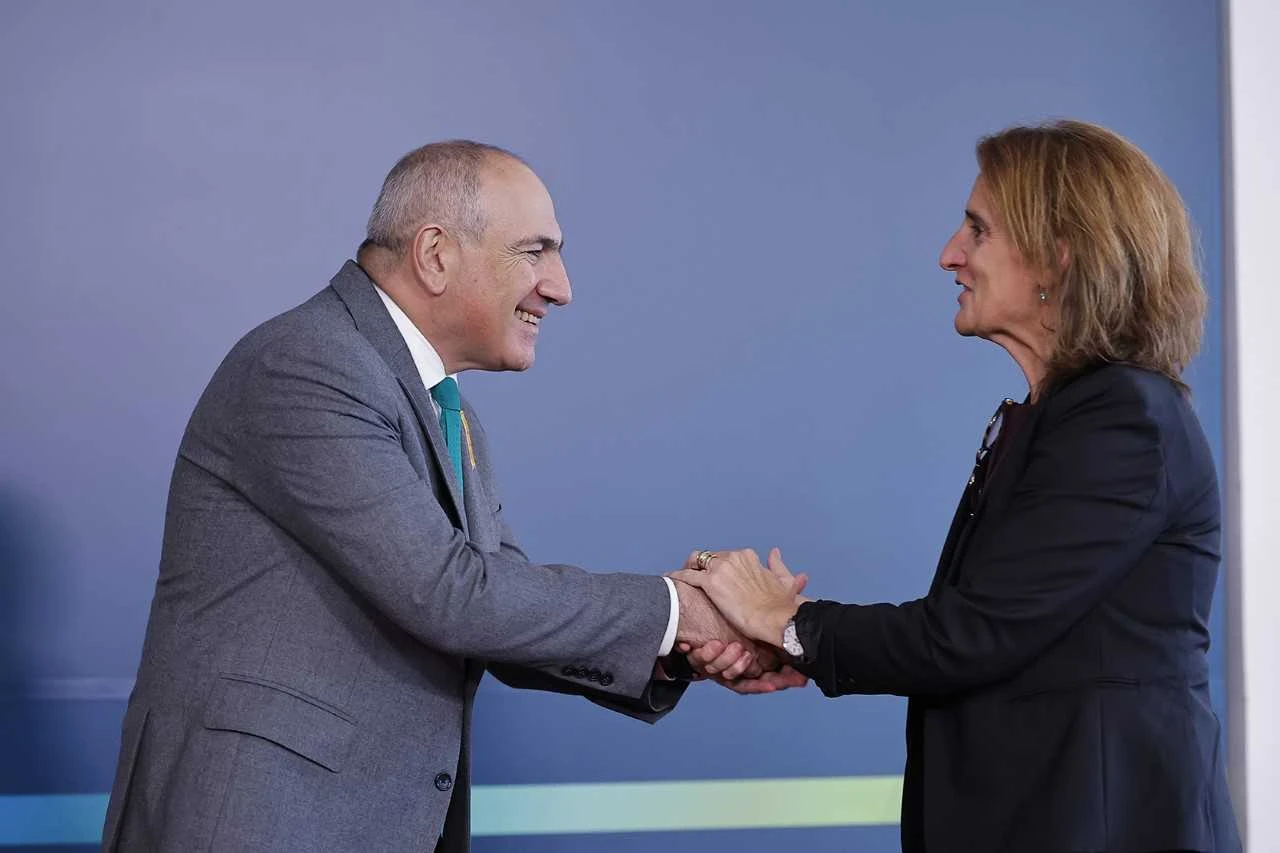
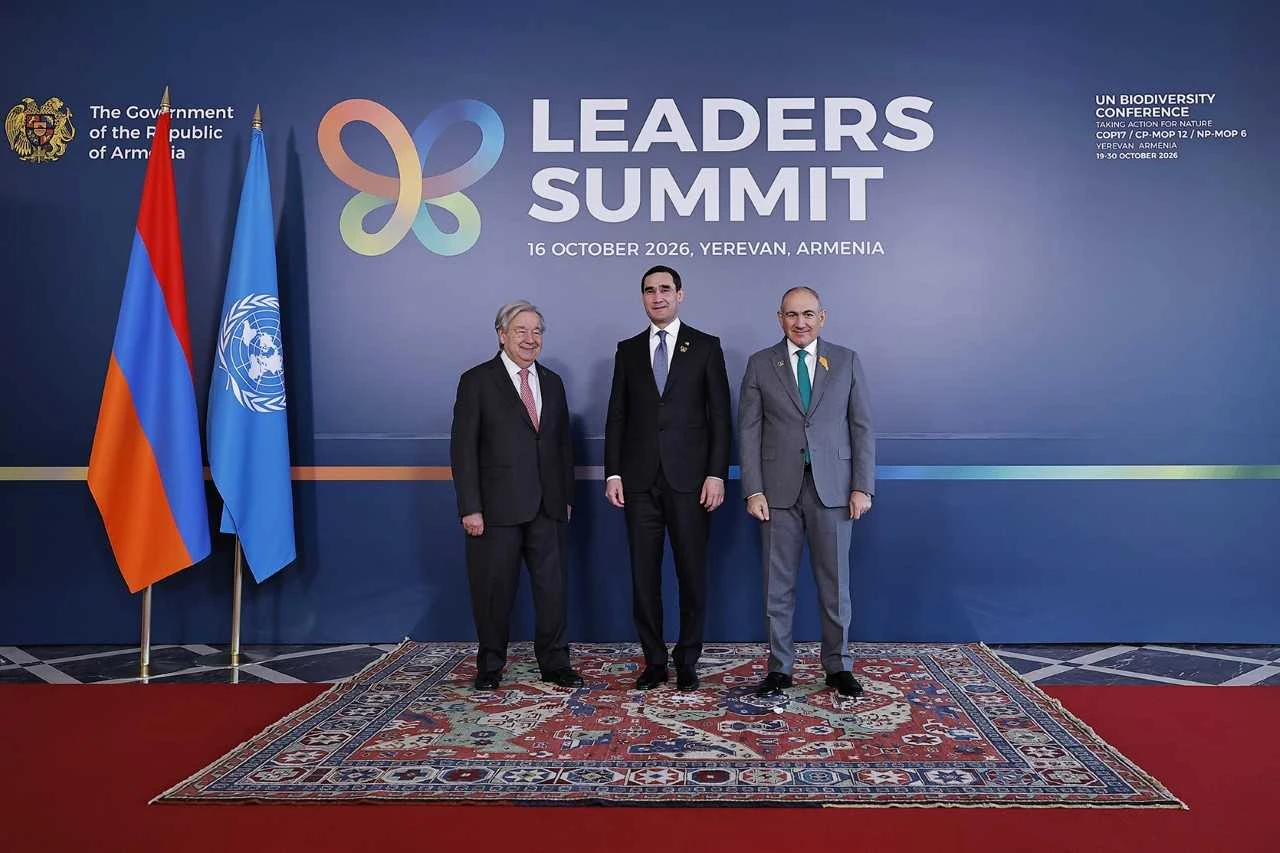
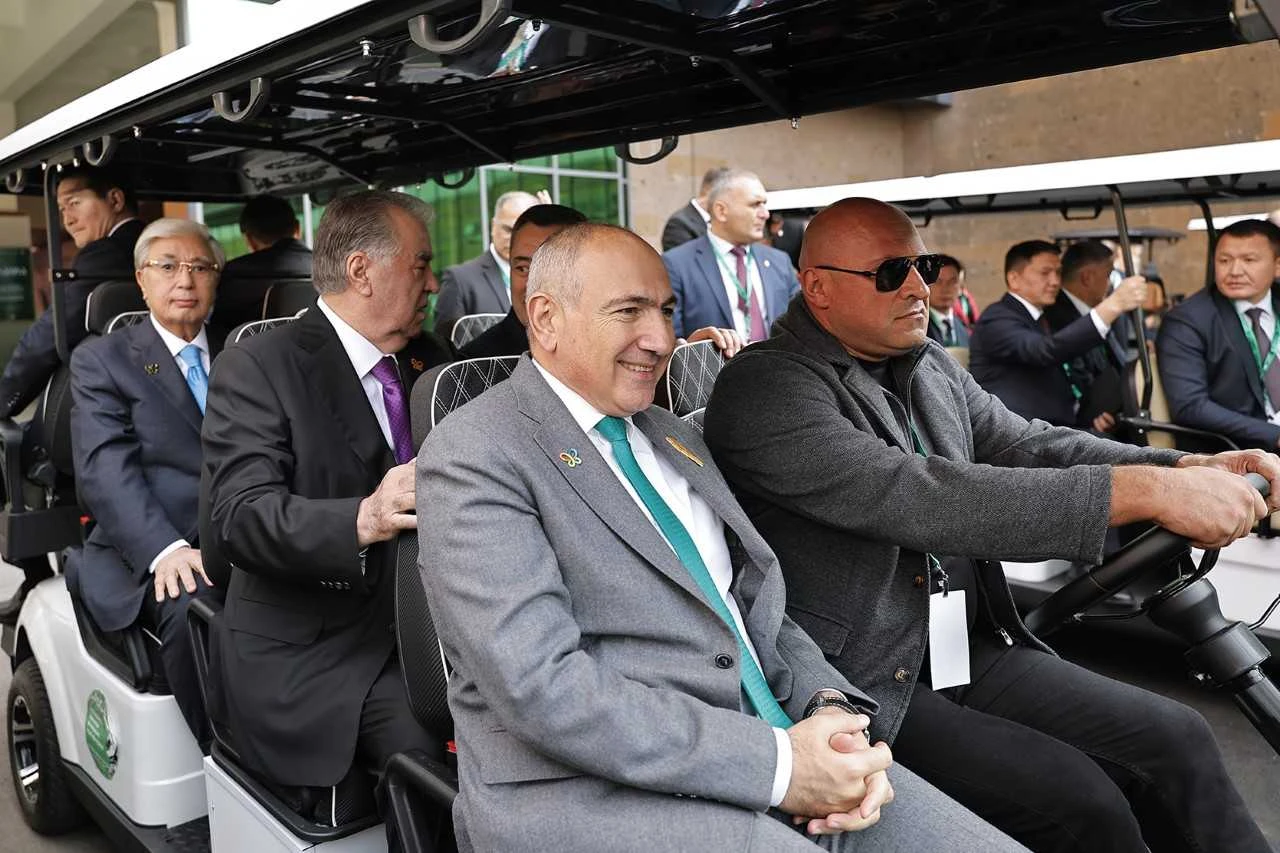
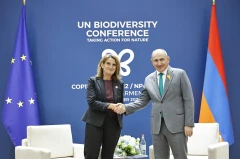
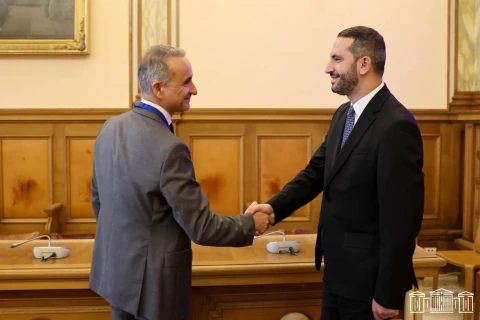
Prior to this, an official welcoming ceremony was held for the heads of states, governments, and international organizations participating in the summit's plenary session. Specifically, Prime Minister Nikol Pashinyan and UN Secretary-General António Guterres welcomed UNESCO Director-General Khaled El-Enany; Secretary-General of the International Organisation of La Francophonie Louise Mushikiwabo; European Commission Vice-President and Commissioner for a Clean, Just, and Competitive Transition Teresa Ribera; Speaker of the Council of the Nation of the People's Democratic Republic of Algeria Azouz Nasri; President of Zanzibar Hussein Ali Mwinyi; President of Turkmenistan Serdar Berdimuhamedow; Prime Minister of Georgia Irakli Kobakhidze; President of the Republic of Tajikistan Emomali Rahmon; President of the Kyrgyz Republic Sadyr Japarov; President of the Republic of Kazakhstan Kassym-Jomart Tokayev; and President of the Islamic Republic of Iran Masoud Pezeshkian.
Following the welcoming ceremony and the joint photo session, the Prime Minister of the Republic of Armenia delivered a speech.
* * *
Speech by Prime Minister Nikol Pashinyan at the opening of the plenary session of the "Leaders for Nature" summit
Your Excellencies, Heads of State,
Mr. Secretary-General of the United Nations,
Distinguished representatives of the state authorities of the Republic of Armenia,
Distinguished delegates, ladies and gentlemen,
Welcome to the Republic of Armenia, and welcome to the "Leaders for Nature" summit, which is taking place within the framework of the COP17 Biodiversity Conference.
It is a great honor for us to host this summit and the COP17 Biodiversity Conference; I hope that it will be productive and contribute to the protection of biodiversity on Earth.
For the Government of the Republic of Armenia, this is a subject of particular significance. We feel a special responsibility toward our nature, because we must admit that during our most difficult times, the difficult times for the Republic of Armenia, it was our nature that saved us; and we had the misfortune of abusing it. In the early 1990s, when the Republic of Armenia gained its independence, an energy and socio-economic crisis emerged in the country, brought on by the collapse of the Soviet Union’s economic system and the ongoing conflict.
The nation found itself under blockade; there was a severe shortage of electricity, gas, petroleum products, and coal, forcing people to heat their homes primarily with wood. The capital, Yerevan, underwent a rapid transformation, with thousands of stove chimneys visible, protruding from the windows of apartment buildings.
Under these conditions, mass cutting of forests in Armenia began, which became one of the profitable businesses of the country in the almost absence of normal economic activity.
Even the trees in the streets and parks of the capital Yerevan were cut down and it was very difficult for the authorities to fight against these phenomena. In this way, thousands of hectares of forests and green areas were cut down in Armenia, poaching spread widely, which caused a heavy blow to our nature and biodiversity.
A similar situation was also created in Lake Sevan, which is the largest freshwater lake in the South Caucasus and is located at an altitude of about 1900 meters above sea level and is the largest lake in the Republic of Armenia.
At the beginning of the 90s, when the import and production chains were essentially broken and there was a daily food problem in the Republic of Armenia, the fish resources of Lake Sevan came to our rescue.
Without exaggeration, the Sevan whitefish has been the main food for the population of Armenia for several years. This, in turn, brought the fish stocks of Sevan to the brink of exhaustion, where besides the whitefish, there is also an exclusive fish species endemic to Sevan, the Sevan trout with its four subspecies.
Distinguished guests,
In a recent speech, I remarked that we, the citizens of the Republic of Armenia, the Government, and the state and local self-governing authorities, owe a debt to our natural environment. This, in essence, reflects the policy we are striving to implement.
Naturally, in our efforts to protect Armenia’s nature and biodiversity, we have experienced both successes and setbacks.
Let me provide a specific example: in 2018, when I became the Prime Minister of Armenia following the popular, non-violent, velvet revolution, one of my first directives was to halt illegal logging, a practice that was still occurring on a significant scale.
This directive met with strong resistance, particularly in the Tavush Province, my birthplace and one of the most heavily forested regions in our republic. Protests began in my birthplace because many people, driven by the inertia of the 1990s, were earning a living through illegal logging.
In this connection, I visited the village of Haghartsin, my mother’s home village, where a significant number of my relatives live.
People were very aggressive. I tried to explain to them that preserving the forest could yield more income than illegal logging. People, even many of my own relatives, refused to listen.
But we stood firm on our principles and fought against illegal logging as hard as we could. And then, a year or two later, many of those involved in illegal logging changed their line of work.
They began adapting the very same vehicles they had used just months earlier to transport timber from the forest to the markets to using them to take tourists into the forests and out into the wild, and they were surprised to discover that they were actually earning more, and with greater ease.
Nowadays, when passing through the village of Haghartsin, I am pleased to see tourist buses parked along the roadside, as well as dozens of local vehicles intended for transporting tourists into the forests and mountains.
And this is, undoubtedly, a success story. The very people who, years ago, used to clear-cut forests have now begun to cooperate with nature; those who once engaged in poaching have come to realize that a wild animal captured on a tourist’s camera not only generates tens of thousands of views for that tourist, but also attracts new visitors, turning nature itself into a source of prosperity.
Naturally, this new influx of people brings its own set of challenges. Yet, at the same time, there is a growing awareness among the public regarding the management of one's carbon footprint, and the Government is taking steps to encourage this.
We have also implemented significant regulations to protect the fish stocks, and, by extension, the biodiversity, of Lake Sevan. We have adopted regulations governing fishing in the lake, and the strictest possible oversight is enforced during the spawning season; as a result, the stocks of whitefish in Lake Sevan have increased significantly.
For the first time in our country’s history, a water police unit is operating on Lake Sevan. One of its mandates, among other responsibilities, is to provide support to the agencies tasked with environmental protection.
Naturally, these stringent measures have caused some discontent among citizens who engage in fishing. However, I always address a question to them which, I believe, effectively disarms them.
I ask: "Dear citizens, for whose benefit are we implementing these strict measures aimed at preserving and developing the fish stocks of Lake Sevan? For whom are we doing this? Am I doing it for myself, or for those in my immediate circle?"
And citizens know that the Government is doing this neither for itself nor for our relatives. We are doing it for those very people engaged in fishing, and for their future generations, so that they may have a stable and long-term source of income.
And the results are evident. Over the past decade, the total stock (biomass) of whitefish in Lake Sevan has increased more than tenfold—rising from the crisis level of a few hundred tons in the mid-2010s (when the species was essentially on the verge of extinction) to over 4,500 tons as of July 2026.
The Government is also implementing a program in Lake Sevan to restore Sevan trout stocks and develop fish farming. Prior to 2025, Sevan trout stocks in the lake were negligible—amounting to less than 20 tons. In 2025 the stocks were estimated at around 138 tons, and by July 2026, they reached 374 tons. Today, Sevan trout is once again appearing in the nets of fishermen on Lake Sevan. According to them, such frequency is something they only recall from the stories told by their grandfathers.
A program for the restoration and development of the red-spotted trout population is also being successfully implemented in Armenia’s high-mountain rivers. A broodstock has already been established, and the fry produced from it are planned to be continuously released into Armenia’s high-mountain rivers. This year alone, plans are in place to release approximately 50,000 fry.
Our next success story concerns the Caucasian leopard, a species once considered extinct in Armenia. Today, there are an estimated 6–7 individuals in the country, and in 2024, two cubs were also recorded. The presence of the leopard serves as a vital indicator of a complete ecosystem, while the birth of cubs testifies to its stability.
The "Reintroduction of the Caucasian Red Deer in Armenia" program represents another success story for us. This animal, too, was once considered extinct in Armenia; however, between 2022 and 2025, a total of 22 individuals were released into the wild.
Eight calves have already been born in the wild, demonstrating that the reintroduced animals have begun to successfully reproduce under natural conditions.
Your Excellencies, distinguished guests,
Despite these successes, unfortunately, illegal logging, instances of poaching, and cases of the unlawful exploitation of nature continue to occur in Armenia.
To address these issues, just two years ago we initiated the establishment of the Eco-Patrol Service, essentially an environmental police force, in the Republic of Armenia; it is currently operational in four of our ten regions, and we will continue to roll it out in the remaining regions as well.
The service’s mandate is to ensure the round-the-clock protection of nature, and we intend to develop it further in terms of technical capabilities, operational scope, and the professionalism and integrity of its personnel.
Our forests possess a remarkable capacity for regeneration, and while we are implementing, and will continue to implement forest restoration programs, we must also recognize that achieving significant results will be very difficult without forest protection and the fostering of environmentally conscious behavior among the public.
I would also like to express words of encouragement and appreciation to those international and public organizations that have dedicated themselves to the task of forest restoration or afforestation in Armenia. This is a very important endeavor, and we are ready to join forces to achieve synergy.
Aligning the mining industry with modern environmental standards poses a unique challenge for our country; yet, despite the difficulties, we are moving in that direction.
The efficient management of water resources, along with the introduction and development of water-saving systems and technologies, ranks among the Government’s priorities. However, it is equally clear that fostering a water-conscious mindset within our society is just as important.
The same applies to the sector of solid waste management, where, unfortunately, our achievements have not yet reached a truly revolutionary scale.
On the other hand, we must recognize that shifts in human mindset occur very slowly. The solution lies in consistency and continuity, and we are firmly committed to following this very path.
Your Excellencies, distinguished guests,
The international community has already formulated the vision of “living in harmony with nature” and adopted the Kunming-Montreal Global Biodiversity Framework in 2022, setting goals and clear targets by 2030.
We are halfway to achieving these targets and must honestly admit that we are not yet on the path we need to take collectively. Our task now is not to formulate new promises. Our task is to translate the commitments we have already made into real action.
The COP-17 conference on biodiversity is a good opportunity for us to reach decisions that will change the situation. The Republic of Armenia is happy to support this opportunity.
I wish success to the proceedings of the COP17 Conference on Biodiversity.
Thank you for your attention.