


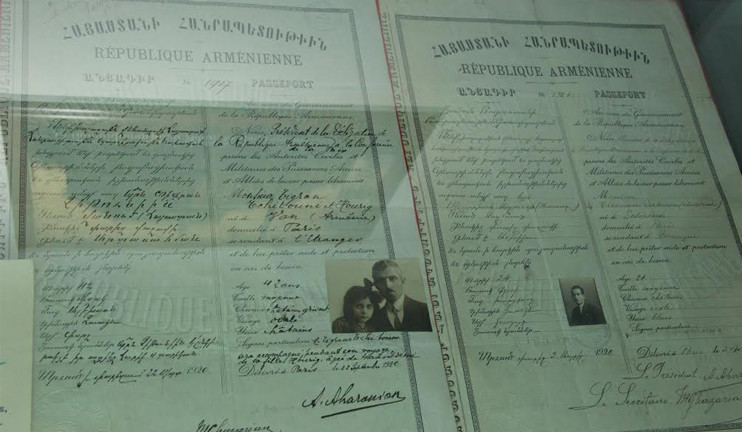
“Based on the solution of Transcaucasia political wholeness…given the existing situation Armenian National Council declares itself Supreme and sole authority over Armenian provinces….” This statement made on May 28th, 1918 in Tbilisi, was the actual declaration of the First Republic of Armenia.

Despite the fact that the state that lasted 2 years, 6 months and 4 days, went through a war, migration and famine, it remained faithful to its progressive principles by providing shelter to 100 thousand Armenians and expanded the country’s territory. The government of the Republic was formed through universal suffrage, that included the entire adult population of the country, regardless of gender and nationality, which, by the way, was not a common phenomenon for Western countries back then.
Over 450 thousand survivors of the Armenian Genocide sheltered in the territory of the Republic. The country leadership did their best during those hard days to properly present the country to the entire world by not abusing the limited state resources. In times of official visits and receptions, the officials often lent to each other their clothes.

The last Prime Minister Simon Vratsyan, in times when he was still the Minister of Agriculture, had once hung his washed pants in the courtyard, when next morning the family discovered the only pants the Minister owned had been stolen by “night people”. Mrs. Vratsyan was forced to call the government and ask for another pair of pants.

The founders of First Republic knew well enough the land would survive as long as it was inhabited. In the decree of appointing a governor to the liberated village of Basen, Foreign Minister Abraham Gulkhandakyan stressed the newly elected governor “should organize the civil administration of the region for the immigration alert.”

With the use of this pen the head of RA Delegation to Paris Peace Conference Avetis Aharonyan signed the Treaty of Sevres on August 10th, 1920, according to which RA had a territory covering 161 thousand square meters at its disposal.

Right after the establishment of Soviet power the Bolshevik government declined the treaty signed on December 2nd, 1920, and started persecuting the First Republic’s officials and supporters. The former Prime MInister Hamo Ohanjanyan and his friends had made chess figures out of bread, while being imprisoned, thus attempting to somehow soften their harsh daily routine.

The Second Congress of Western Armenians made a decision on declaring Armenia as an independent and a united state and turned to RA government on this respect. The government adopted the declaration of independent Armenia on May 28th, the first anniversary of independence.
The very day marked great celebrations not only in Yerevan, but also in many other cities of the country.