

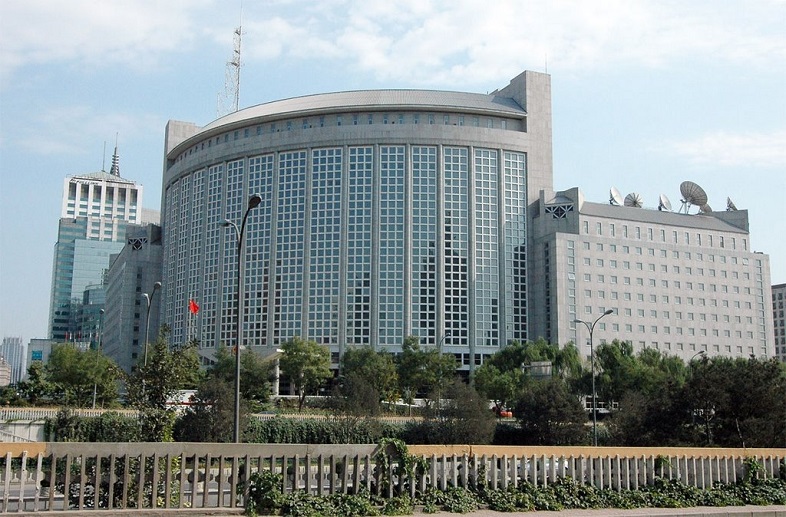
President Xi Jinping, Russian President Vladimir Putin and US President Donald Trump will meet in Shenzhen, South China's Guangdong province, on Thursday for the first-ever face-to-face summit of the three countries' heads of state, a groundbreaking gathering that experts said could boost global stability, dialogue and cooperation, China Daily reports.
Speaking at a regular news briefing on Monday, Foreign Ministry spokeswoman Mao Ning said the three leaders will have an in-depth exchange of views on safeguarding world peace and promoting strategic stability in major-country relations.
China, Russia and the United States are all founding members of the United Nations and permanent members of the UN Security Council, Mao noted, adding that in history, the three countries fought side by side to secure victory in the World Anti-Fascist War.
Under the current circumstances, the three countries shoulder important responsibilities to work together to address global challenges and promote world peace and stability, she said.
Strengthening communication, managing differences and stabilizing relations serve the interests of all three countries and meet the expectations of the international community, Mao added, saying that such efforts would help stabilize the global situation and advance dialogue and cooperation.
The trilateral summit could send a strong political signal of stability in major-country relations, bolstering international confidence in the prospects for global development, experts said.
Wang Yiwei, a professor at Renmin University of China's School of International Studies, said that the summit will demonstrate again the irreplaceable role of head-of-state diplomacy in providing strategic guidance.
Wang said China does not subscribe to the logic that the world can be run by major countries, but advocates stronger coordination and cooperation among them. In seeking to reform and improve global governance and build a community with a shared future for humanity, China champions an equal and orderly multipolar world and greater democracy in international relations, he added.