



The shipment, carrying about 40,000 tonnes of diesel, follows a deal that temporarily eased US sanctions on Russian diesel as Trump seeks to lower fuel prices, Euronews reports.
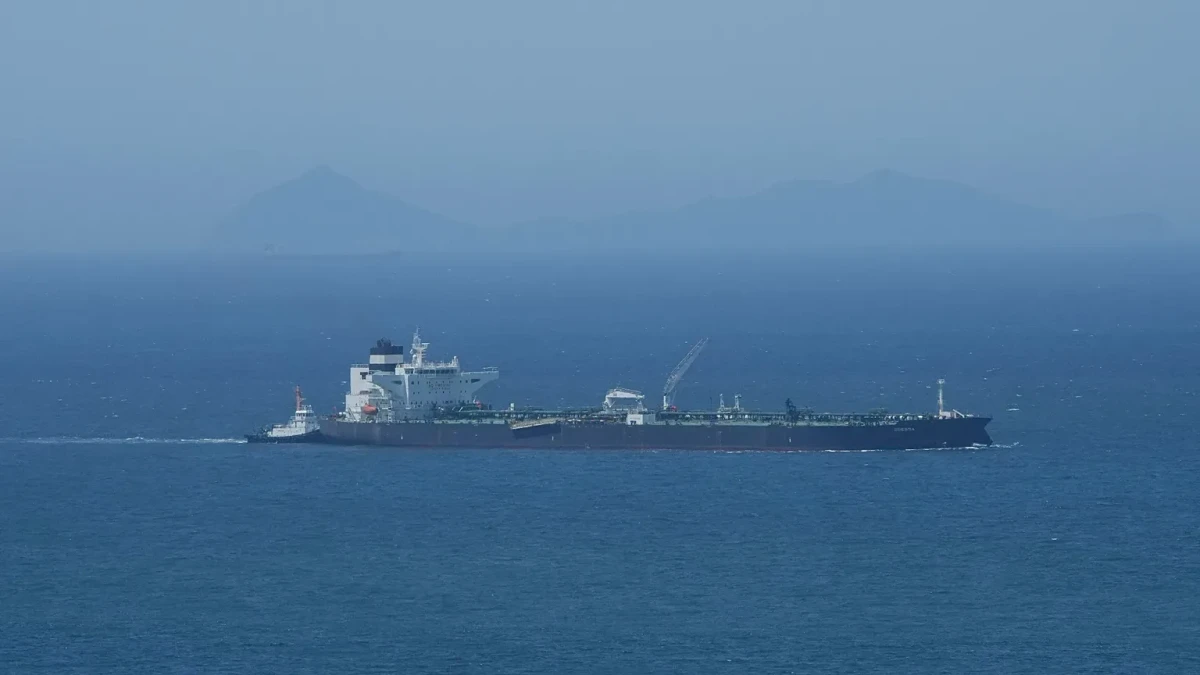
A tanker carrying Russian diesel is en route to New York after US President Donald Trump announced a deal with Moscow in early October, according to data from the maritime tracking firm Kpler.
The Malta-flagged tanker Agioi Fanendes loaded about 40,000 tonnes of ultra-low sulphur diesel, roughly 300,000 barrels, at Russia’s Baltic port of Primorsk.
The tanker is signalling New York as its destination, with an estimated arrival date of 7 November, according to Kpler. That would be four days after the US midterm elections.
Separate shipping data from LSEG also put the cargo at 40,000 tonnes.
If delivered as indicated, it would be the first Russian diesel or gasoil cargo shipped to the United States tracked by Kpler since July 2023, and the first diesel shipment from Primorsk to New York since January 2022.
The buyer and seller were not immediately known.
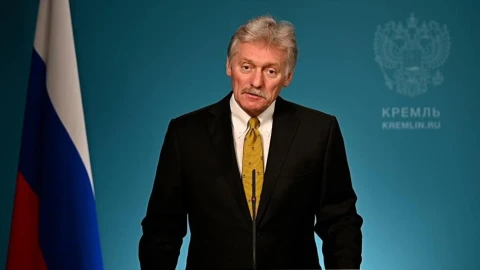
On Wednesday, Russian news agencies quoted Deputy Prime Minister Alexander Novak, who oversees energy policy, as saying the first shipment of Russian diesel bound for the United States would depart the following day. He said more shipments would follow as Russian and US companies worked out contracts for the deliveries.
On 9 October, Trump announced an agreement between Washington and Moscow for the delivery of Russian diesel to the US and global markets, temporarily easing US sanctions on Russian diesel. Russia also agreed to lift its own ban on diesel exports.
Trump said Russia would immediately supply 300,000 tonnes, followed by 500,000 tonnes in November and 1 million tonnes “immediately thereafter”.
The measure was seen as an attempt to lower fuel prices for American consumers ahead of the US midterm elections. It drew sharp criticism from Ukraine and its allies, including members of Trump's Republican Party.
The move also comes after Russian diesel exports had shifted mainly to Brazil, Turkey and African countries following the EU’s embargo on Russian petroleum products in February 2023.