
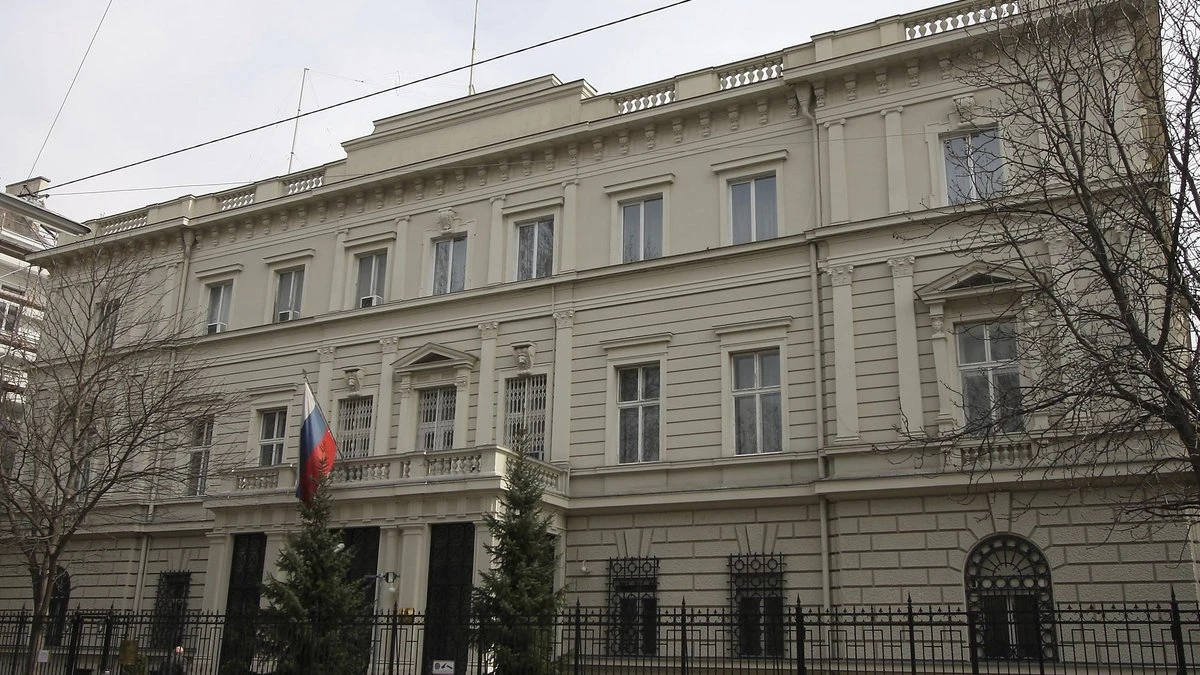
Austrian government ordered the expulsion of four Russian diplomats, citing allegations of espionage. This decision underscores Austria’s longstanding role as a focal point for espionage, particularly in Vienna, home to numerous international organisations and a high concentration of diplomatic missions.
An Austrian official, who requested anonymity to discuss sensitive matters, said the expulsions were specifically linked to espionage and that the diplomats have been instructed to leave within a few days. According to the Austrian Foreign Ministry, three of the diplomats were affiliated with the Russian Embassy in Vienna. At the same time, the fourth was part of Russia’s mission to the Organisation for Security and Cooperation in Europe (OSCE).
The ministry issued a concise statement saying the diplomats engaged in “activities incompatible with their diplomatic status,” leading to their designation as personae non gratae.
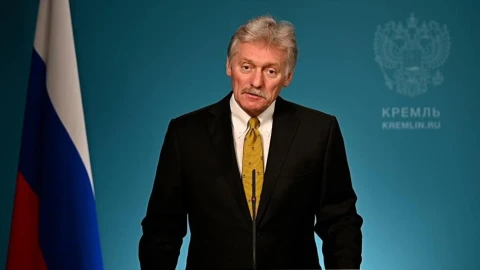
The ministry did not disclose further details about the diplomats or the nature of their alleged activities. In response to the expulsion, Russia’s Deputy Foreign Minister, Dmitry Lyubinsky, informed the state-run news agency TASS that “a reaction is unavoidable.” This expulsion raises the total number of Russian diplomats expelled from Austria since 2020 to eighteen.
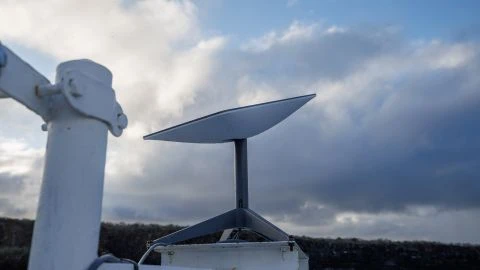
In a prior instance in May, Austria expelled three Russian Embassy employees suspected of espionage related to installing antennas on Russian diplomatic buildings. These installations reportedly enabled Russia to intercept data transmitted by international organisations based in Vienna via satellite internet, as Austria’s public broadcaster ORF reported.
In the wake of Moscow’s full-scale invasion of Ukraine, European countries and Russia have engaged in reciprocal expulsions of diplomats. While Austria continues to provide humanitarian assistance to Ukraine, it upholds a policy of military neutrality and refrains from supplying military equipment.
Foreign Minister Beate Meinl-Reisinger, alongside her liberal Neos party, has consistently called for a more assertive stance against Russian espionage in Austria, including advocating for an overhaul of the country’s espionage legislation.
The existing laws currently penalise espionage by foreign entities only if it directly targets Austrian interests. The government is negotiating amendments to expand the scope of these laws to include actions that may also affect international organisations.
As a member of the European Union, Austria remains committed to its policy of military neutrality. Vienna hosts various UN agencies, including the International Atomic Energy Agency and the UN Office on Drugs and Crime, as well as major international organisations such as OSCE and OPEC.