

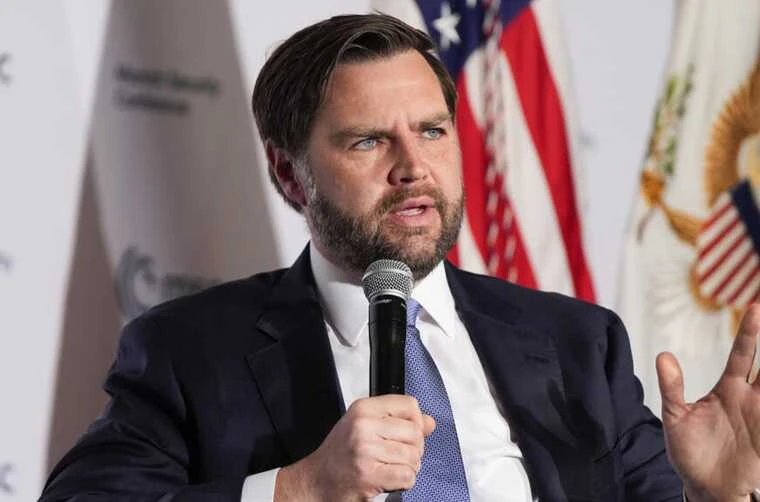
US Vice President JD Vance said in an exclusive interview with Reuters that Iran must make a “meaningful” reduction in its nuclear enrichment capacity to satisfy US demands and end the countries’ seven-month war, even as Washington was unsure how Tehran makes decisions in negotiations, Reuters reports.
Vance, a longtime skeptic of US involvement in foreign wars, has taken a leading role in negotiating a settlement to the conflict and brokered a provisional peace agreement in June that quickly fell apart. The war has jolted global energy markets and become a political liability for US President Donald Trump and fellow Republicans ahead of November midterm elections.
Vance said on Monday after a campaign trip in Alaska that any agreement would require Iran to reduce its nuclear enrichment capacity, rather than offer assurances of future nuclear drawdowns.
"If you don't want a nuclear weapon, then why do you need 60% enriched fuel? And if you want to show commitment to not building a nuclear weapon, don't build highly enriched fuel. That's a very basic threshold issue," Vance said.
"I think if they want to show a commitment to not building a nuclear weapon, they would do something meaningful on their enrichment capacity."
Washington's "requests and ideas" about Iran's nuclear program are at odds with Tehran's demands, a senior Iranian official told Reuters on Wednesday when asked about Vance's comment that Tehran must cut enrichment to end the war.
Iran and the US have exchanged proposals in recent weeks aimed at ending the war and reopening the Strait of Hormuz, a vital global energy shipping route. Trump rejected Tehran's latest offer and has warned that military operations could intensify after the midterms.
Vance said the US remained open to an agreement but would require concrete Iranian nuclear concessions.
"We're not going to trade words for actions," Vance said.
Trump and administration officials have consistently called for blocking Iran's path to building a nuclear weapon, including the destruction or removal of its highly enriched uranium stockpile that can be used for a nuclear bomb.
The message has been less clear on whether Iran, under a possible peace deal, might be permitted to maintain some enriched uranium, at levels below what would be necessary to quickly build a weapon.