Europe and Ukraine have rejected some US proposals for peaceful settlement between Russia and Ukraine
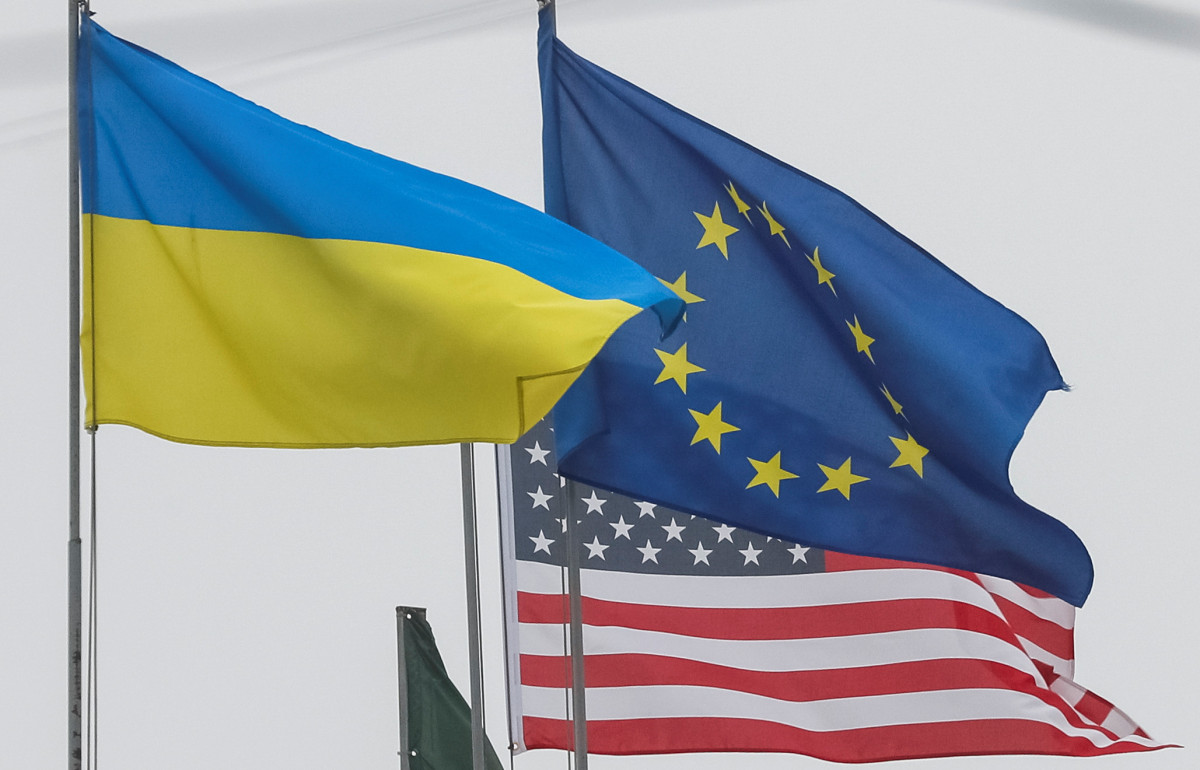
Europe and Ukraine have rejected a number of the terms put forward by the US for settling the Ukraine conflict, Reuters said, citing two documents obtained by the agency.
One of them contained proposals submitted by US Special Presidential Envoy Steve Witkoff to European officials at an April 17 meeting in Paris, which were later passed on to the Ukrainian side. The second document was developed at the April 23 European-Ukrainian talks in London. It was submitted to US officials.
According to Reuters, primary disagreements between the US’ suggestions on the one hand and Europe and Ukraine’s proposals on the other, "are over the sequencing for resolving questions over territory, the lifting of sanctions on Russia, security guarantees and the size of Ukraine's military."
That said, both documents stipulate that the sides immediately enter into negotiations about the terms of a truce. Where the two documents differ is that the US insists on a permanent ceasefire, while Europe and Ukraine - on "a full and unconditional ceasefire in the sky, on land and at sea," while the "negotiations on technical implementation with the participation of the US and European countries" must be "in parallel to preparation of the agenda and modalities for a full peace deal."
According to the document, submitted to the US side at the April 23 talks in London and made available to Reuters, there will be "a gradual easing of sanctions after a sustainable peace is achieved." That said, the "sanctions can be re-instated if Russia breaches the terms of the peace deal."
Witkoff’s plan does not mention the gradual easing of restrictions, simply noting that they would be lifted, beginning with those imposed in 2014.
The European-Ukrainian version does not mention Russian sovereignty over these territories. It further proposes to discuss and resolve territorial disputes "after a full and unconditional ceasefire." That said, according to the document, "territorial negotiations start from the basis of the line of control."
The counter-proposal from Ukraine and Europe describes security guarantees in greater detail, suggesting that the United States itself act as a guarantor, as it is outlined in NATO’s Article 5 on collective defense. The European-Ukrainian proposal presumes that the deployment of allied forces in Ukraine must not be restricted. "The guarantor states will be an ad hoc group of European countries and willing non-European countries. No restrictions on the presence, weapons and operations of friendly foreign forces on the territory of Ukraine," the agency quoted the proposal as saying.
The document also specified "no restrictions on the Ukrainian Defense Forces."